
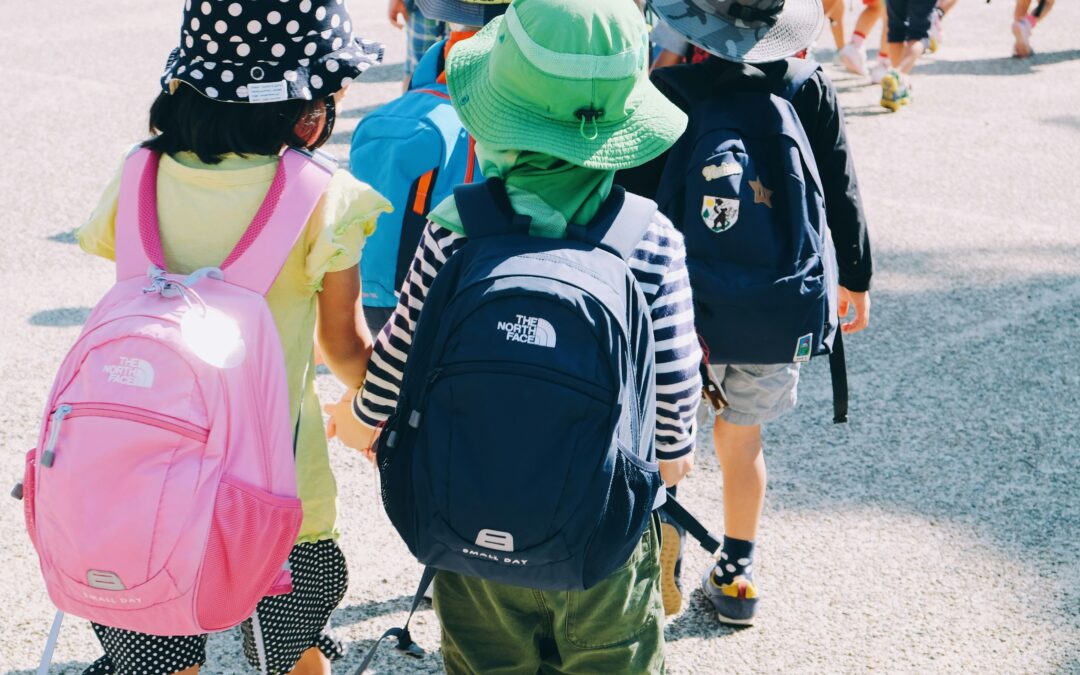
A morning backpack checklist starts with the basics your child needs every day, like homework and folders, school supplies, lunch, and a water bottle, plus a charger if they carry a device. From there, add anything tied to that specific day, like gym clothes or a signed permission slip, so nothing gets left behind. Packing the night before is often the single biggest fix for a rushed morning.
Why every family needs a morning backpack checklist
A lot of school-morning chaos comes down to timing. Everyone’s rushing at once, and nobody has time to double-check every item before the door shuts. A checklist moves that decision-making to the night before, when there’s time to think it through instead of guessing on the way out.
A checklist also puts some learning and responsibility on your child, which is the part that pays off over time. A kid following their own list starts to know what they need for the day instead of counting on a parent to catch what’s missing. Mornings get more predictable because the work already happened the night before, not because everyone got lucky on a given day.
What to pack in a school backpack every day
What your child needs will change by grade level and by school, but a few items belong in just about every backpack, every school day.
School essentials checklist
- Homework and folders
- School supplies (pencils, notebooks, calculator, etc.)
- Lunch and snacks
- Water bottle
- Chromebook or tablet, if the school requires one
- Chargers
- Library books
- Permission slips
- Gym clothes, on days they’re needed
- Weather-specific items like a jacket or umbrella
- A reusable face mask
Running through this list at night, rather than in the morning, catches the items most likely to get missed, especially permission slips and anything tied to a specific day of the week.
Backpack checklist for school by age
Backpack contents will naturally change as a kid goes through school. What a first grader carries looks nothing like what a high school junior needs to get through the day.
Elementary school
- Extra clothes, in case of a spill or an accident
- Reading folder
- Communication folder for notes between home and teacher
Middle school
- Notebooks for multiple subjects
- A planner or assignment notebook
- Supplies for a locker
High school
- Laptop
- Chargers
- Gear for sports or after-school activities
Building the checklist around grade level keeps it useful year after year, instead of a generic list that ages out.
Tips to keep a backpack organized
A packed backpack and an organized one aren’t always the same thing. A few habits keep a bag from turning into a mess of loose papers by October.
- Pack the backpack the night before, not during the morning rush.
- Use separate pouches or folders so supplies don’t end up loose at the bottom.
- Clear out old papers and worksheets once a week.
- Restock pencils, paper, and other supplies every weekend.
- Set up a backpack station near the door so it’s always in the same spot.
A to-do list for the weekly reset makes it easier to stay ahead of backpack clutter instead of cleaning it out once it’s already piled up.
Build a better kids morning routine
A backpack checklist works best as part of a full morning routine. For example:
- Wake up at the same time each school day.
- Eat breakfast before leaving the house.
- Review the day’s schedule together.
- Double-check the backpack against the checklist.
- Leave a few minutes earlier than feels necessary.
None of these steps take long on their own, but together they cut down on the rush that causes most forgotten items in the first place. A school morning checklist gives you a routine to build around instead of relying on memory every day.
Create a reusable backpack checklist
A checklist only holds up if it’s easy to use again and again, week after week. You’ll want to:
- Print the checklist and keep it somewhere visible.
- Laminate it so it lasts through the school year.
- Use a dry-erase marker to check off items and reset each night.
- Build a separate version for each child, since needs differ by age.
- Update it as the school year goes on and routines change.
Make every school morning easier with Cozi
A checklist handles the backpack. Cozi handles everything else around it. Families use Cozi to keep school routines, reminders, and checklists together in one shared place, so nothing depends on one person remembering it all.
Parents can manage school mornings alongside the family calendar, shared to-do lists, and everyone’s schedule, all from the same app everyone in the house already checks. Pairing a morning backpack checklist with a shared family organization system means fewer forgotten items and a lot less repeating yourself before 8 a.m.
For families who want to take it further, Cozi Max adds AI tools that handle some of the planning automatically, from turning school emails into calendar events to building out meal plans for the week. Start with the checklist. Let Cozi handle the rest.
FAQ
What should be in a child’s backpack every day?
At minimum, homework and folders, school supplies, lunch and a water bottle, and anything tied to that specific day, like gym clothes or a permission slip. Older kids may also need a laptop or tablet and chargers.
What is a good school backpack checklist?
A good checklist covers daily essentials first, then adjusts for grade level and any activities that day, like sports practice or a field trip. It should be simple enough to run through in a few minutes each night.
How can I help my child remember everything for school?
Pack the backpack together the night before rather than in the morning, and use the same checklist every time so it becomes a habit rather than a one-off reminder.
When should kids pack their backpacks?
The night before works best. It removes one task from the morning rush and gives time to track down anything missing, like a signed form or a library book that needs to go back.
How do you create a school morning routine?
Start with a consistent wake-up time, then build in breakfast, a quick review of the day ahead, and a final backpack check before heading out the door. Keep the steps the same each day so the routine becomes automatic.