
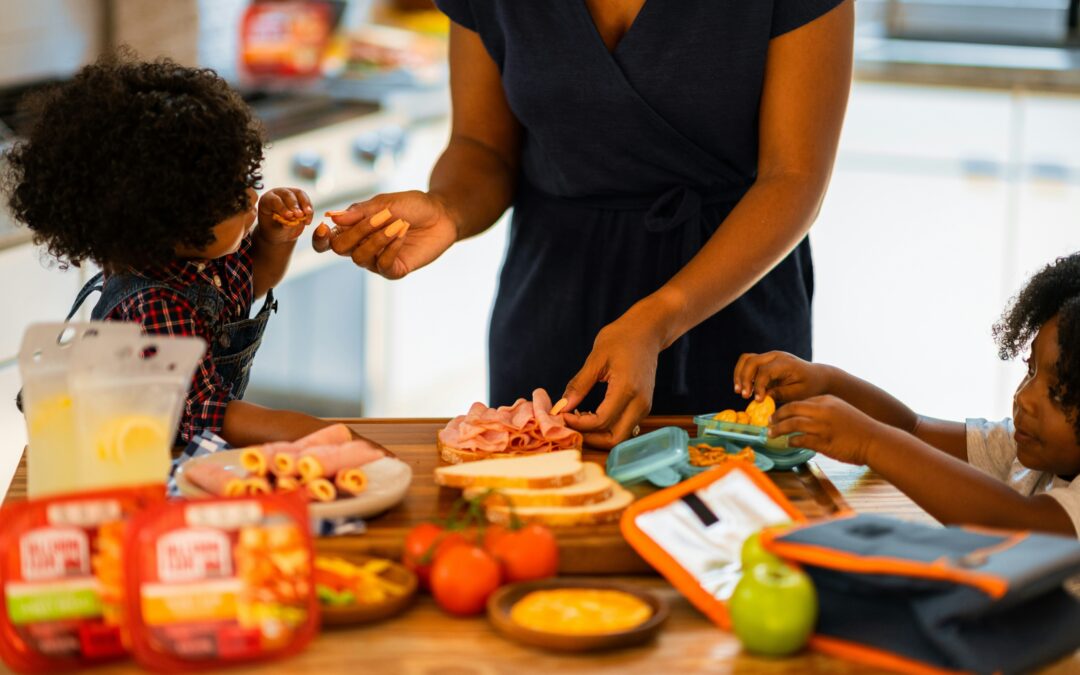
A lunch packing schedule takes the daily “what do I pack?” question off your plate by deciding it once, ahead of time, instead of every morning. Set a rough plan for the week, prep what you can over the weekend, and mornings turn into assembly rather than decision-making. Parents who plan lunches ahead spend less time staring into the fridge at 7 a.m. and waste less food across the week.
Why a Lunch Packing Schedule Makes Mornings Easier
Reduce Decision Fatigue
Deciding what to pack every morning is a small choice that wears on you through repetition. Making it fresh each day, five days a week, adds up to a lot of low-grade mental effort spent on something that doesn’t need daily reinvention.
A set schedule answers the question before it comes up. Monday’s lunch is already decided by the time Monday arrives, so packing it takes no more thought than following a plan already made. A repeatable routine also makes it easier for anyone in the house to pack a lunch, since the guesswork is gone.
Save Time Before School
A made plan packs faster than an open-ended one. When the ingredients are in the fridge and the plan is set, assembling a lunch takes a few minutes instead of a scramble through the pantry for whatever works.
Planning ahead also cuts down on forgotten items. A packing list tied to the schedule catches the water bottle, the utensil, and the ice pack that otherwise get left behind on the busiest mornings.
Reduce Food Waste
Shopping with a plan means buying what the week truly calls for, rather than guessing and overbuying. Produce gets used instead of wilting in the drawer, and a week’s groceries stretch further.
A schedule also puts leftovers to work on purpose. Building Tuesday’s lunch around Monday’s dinner turns extra food into a packed meal instead of a container that sits until it’s tossed.
Build a Weekly Lunch Packing Schedule
Assigning a loose theme to each day removes most of the daily decision without locking you into rigid meals. A sample week might look like this:
Monday
Sandwich or wrap
Fruit
Vegetables
Snack
Drink
Tuesday
Leftover dinner from the night before
Yogurt
Fruit
Wednesday
DIY lunchable with cheese, crackers, and a protein
Veggies
Thursday
Pasta salad
Fruit
Snack
Friday
A favorite lunch to end the week
A small treat
Whatever perishables are left before the weekend
The point isn’t necessarily to follow it to the letter. A themed week gives you a default to fall back on, so even a chaotic morning has a plan already sitting there.
Create a Mix-and-Match Lunch Formula
For families who’d rather not plan specific meals at all, a category formula works just as well. Pick one from each group and the lunch builds itself:
- Protein: turkey, ham, chicken, eggs, hummus, or cheese
- Fruit: apples, grapes, strawberries, or oranges
- Vegetables: cucumbers, carrots, bell peppers, or snap peas
- Snacks: pretzels, popcorn, granola bars, or trail mix
- Extras: yogurt, applesauce, or string cheese
One from each column gives a balanced lunch with almost no planning, and the variety keeps it from feeling repetitive by Wednesday. Kids old enough to choose can build their own from the options, which gets them invested and saves you a step.
Prep Once, Pack All Week
A little weekend prep takes most of the work out of weekday mornings. An hour on Sunday sets up five days of easier packing:
- Wash and dry produce so it’s ready to grab
- Portion snacks into containers or bags instead of scooping from a big bag each day
- Prep sandwich ingredients, or build the sandwiches themselves where they’ll keep
- Fill reusable containers with the week’s staples
- Freeze anything that holds up frozen, like yogurt tubes or certain sandwiches
- Label containers if different kids get different lunches
Front-loading the work means weekday mornings become grab-and-go. The lunch is mostly built already, so packing it is a matter of pulling pieces together instead of starting from scratch.
Assign Lunch Responsibilities to the Whole Family
Lunch doesn’t have to be one parent’s job. Handing off pieces of it by age gives kids ownership and lightens the load:
- Younger kids can pick the fruit and vegetables for their own lunch
- They can fill their water bottle the night before
- Grade-schoolers can pack their own snacks from the portioned bin
- Any age who can read can run through the lunch checklist to confirm nothing’s missing
- Older kids and teens can prepare their own lunch start to finish
Building the habit early pays off for years. A kid who packs part of their lunch in second grade is ready to handle the whole thing by middle school, which is one less task on a busy morning and a bit of independence for them.
Use Cozi to Keep Your Lunch Packing Schedule Organized
A lunch plan works best when the whole family can see it and use it. Cozi keeps the schedule, the shopping, and the reminders together, so lunch packing becomes part of the weekly routine instead of a standalone chore.
- Set a recurring reminder to prep lunches on Sunday, so the weekly reset doesn’t slip
- Store favorite lunch ideas in a shared list everyone can pull from
- Keep a reusable grocery list of lunch staples, ready to reuse each week
- Use the shared calendar to coordinate who packs lunches on which days
- Update the plan when schedules change, so everyone sees it at once
- Save go-to recipes in one place for quick reference
Coordinating through a shared app also settles the question of whose turn it is. A parent who’s out the door early can check who’s on lunch duty without a text, and a plan that lived in one person’s head becomes something the whole family runs on. The Cozi meal planner ties lunch planning into the same place you’re already planning dinners.
Quick Tips for Keeping Lunch Packing Simple
A few habits keep the whole system low-effort:
- Keep a master list of lunches your kids actually eat, so you’re never starting from zero
- Rotate through proven meals instead of reinventing lunch every week
- Buy lunch staples in bulk to cut down on mid-week grocery runs
- Let kids help choose meals, since they’re likelier to eat what they picked
- Pack tomorrow’s lunch right after dinner, while the kitchen’s already in use
- Review the week’s schedule every Sunday to catch days that need a grab-and-go lunch
The after-dinner pack is the highest-value habit of the bunch. Ten minutes while the kitchen is still active saves the morning scramble entirely, and lunches are ready before anyone’s rushing.
Get Started
A lunch packing schedule gives you a predictable routine that saves time and cuts the daily stress, without any pressure to build a perfect lunch.
Cozi brings the pieces together in one shared place, with a calendar for who packs when, shopping lists for staples, reminders for prep day, and meal-planning tools to keep favorites on hand. Fold lunch packing into your weekly planning and it stops being a daily challenge. Download Cozi for free to get started.
FAQ
How do I create a lunch packing schedule?
Assign each weekday a loose theme, like sandwiches on Monday or leftovers on Tuesday, then shop and prep around that plan over the weekend. Deciding the week’s lunches once removes the daily question and makes mornings faster.
What’s the easiest way to pack school lunches?
Prep on the weekend and use a mix-and-match formula: one protein, one fruit, one vegetable, a snack, and an extra. Having components ready turns weekday packing into quick assembly.
How can I get my kids to help with lunch?
Give them age-appropriate jobs, from picking fruit and filling water bottles for younger kids to packing their own lunch entirely for older ones. Kids tend to eat more of what they helped choose and pack.
How do I stop wasting food on packed lunches?
Shop with a plan so you buy only what the week needs, and build some lunches around leftovers from dinner. Using produce and extras on purpose keeps food from going to waste.
How far ahead can I prep lunches?
Most components hold up for the week with weekend prep, and some items freeze well for longer. Wash produce, portion snacks, and prep ingredients on Sunday, then assemble each day or the night before.