

Planning Routes to School
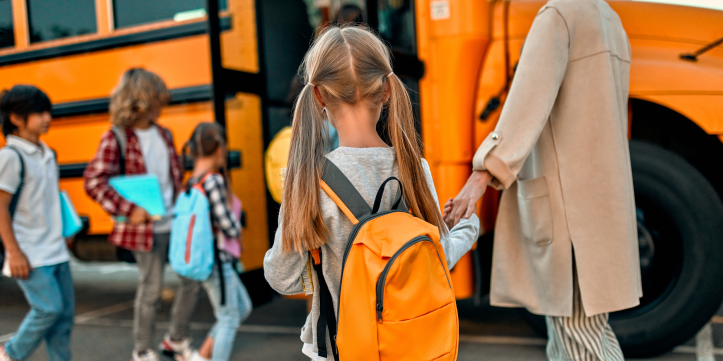
Getting children to and from school safely is a top priority for families. Whether your child walks, bikes, rides the bus, carpools, or gets dropped off by car, planning safe routes to school can help reduce risks and give both parents and children greater peace of mind.
A well-planned route does more than help children arrive on time—it teaches independence, encourages healthy habits, and helps families establish consistent daily routines. Here’s how to identify and plan the safest route for your child’s journey to school.
Why safe routes to school matter
Children travel to school in many different ways, and each method comes with its own safety considerations. Traffic congestion, busy intersections, poor visibility, and distracted drivers can all create challenges during school commute times.
Planning safe routes to school helps families:
- Reduce exposure to traffic hazards
- Improve pedestrian and bicycle safety
- Create predictable routines
- Build children’s confidence and independence
- Encourage physical activity through walking and biking
- Minimize stress during busy school mornings
By taking time to evaluate the journey ahead of the school year, families can feel more prepared and confident. Use this Planning Routes List to make the first few days of the new school year seamless.
Tips for finding safe routes to school
Here are some general safety tips for helping your kids get to school by themselves.
- Get oriented with a map. Identify terrain or landmarks.
- Think through the schedule. Work backwards from when your child needs to be at their destination and plan for commute time.
- Turn on location sharing.
- Keep emergency contacts, written or stored in phones.
- Designate approved adults and friends that can participate in the commute.
- Talk to your child about their friends’ behavior, and when to know if it’s unsafe.
- Establish a codeword and safety protocol in the event your child needs to say “no.”
- Practice their commute with them.
- Review any school or team transportation rules.
- Decide on a pickup and drop off location.
Getting to school safely: Walking, biking, taking a bus or train, or driving
There are lots of ways to get to school, and each mode of transportation has its own issues and details to work out.
Walking to school safely
Walking to school is a time-honored method of transportation. To help your child navigate safely, help them choose their route, set guidelines like where they can stop and who they can walk with, and plan for emergencies like bad weather or encountering dangerous situations.
Here are some tips specific to kids who walk to school:
- Decide which streets to take, keeping in mind the safety of sidewalks, crosswalks, and lighting.
- Approve stops – a friend’s house, grocery store, library, or park.
- Make it clear where your child is NOT to walk, visit, or stop.
- In the event of inclement weather, establish a backup plan and/or identify locations where kids can wait for pickup.
Biking to school safely
Biking makes sense if school is a bit further away, and your child is a confident biker. To help your child get to school on a bike, emphasize wearing a helmet, choose roads with good bike lanes, plan for bad weather, and carry backup equipment like an inner tube and a patch (for flat tires).
Here’s a list of tips specific to kids who bike to school:
- Discuss why helmets are critical.
- Choose dedicated paths that shield bikers from moving vehicles.
- Look for well-lit areas and use reflective gear.
- Pack an inner tube and a patch.
- Consider glasses, gloves, and rain gear.
- In the event of inclement weather, establish a backup plan and/or identify locations where kids can wait for pickup.
Taking a bus or train to school safely
If you have quality public transportation in your city, it not only gets your kid to school but also helps them build valuable life skills. Help your child clearly understand how the bus, metro, light rail, trolley, subway, or rapid transit system works. Go with them on the route until they feel confident getting from A to B.
Here are some more specific tips for taking public transportation to school:
- Help your child understand the general bus route grid.
- Help your child learn to read timetables at the bus stop or download local transportation apps.
- Identify the specific bus route(s) and bus stop(s) you want your child to take (twice if your child has two homes).
- Identify transfer stations if there is no direct route.
- Estimate costs and identify kiosks to refill transportation cards.
- Talk about bus-riding etiquette.
- In the event of inclement weather, establish a backup plan and/or identify locations where kids can wait for pickup.
Teens driving to school safely
If your teen is ready to drive to school safely, they need to know more than how to drive legally: how to interpret dashboard lights, find gas stations, call a roadside service, and plan alternate routes. Discuss who pays for gas, oil, and speeding tickets. Most of all, teach them to stay off their phones.
More tips for kids old enough to drive to school:
- Have a basic understanding of how engines work. Teach what the dashboard lights mean.
- Review the general layout of roadways.
- Work with your teen to select regular and alternative routes.
- Identify gas and/or charging stations along the way.
- Have a protocol in the event of an accident.
- Keep insurance cards, registration, and relevant medical information in the glove box.
- Have contact information for a mechanic and/or towing service.
- Prepare a roadside safety kit: spare tire, jack, flares, jumper cables, space blanket, water, non-perishable snacks, basic first aid, quart of oil, windshield wiper fluid.
- In the event of inclement weather, ensure seasonal equipment is already installed or within the car (snow removal tools, tires, chains, gloves, etc.).
- Help your teen make good decisions with their phone. Know the laws. Use car mounts, Bluetooth pairing, and charging pads to minimize distraction.
- Talk about expectations e.g.: when and who fills up the gas tank, oil changes/basic maintenance, or the cost of car insurance.
- Communicate consequences. Speeding ticket? Poor grades? Trouble at home or school? Let your teen know what to expect.
At What Age Can Kids Walk or Bike to School Alone?
In general, children shouldn’t go to school alone until they’re at least 8. Then, they might be able to walk alone (or with a friend or siblings). At 11, they might be able to bike to school. In middle school, they can take public transit, and after 16, they might be ready to drive. However, child development experts suggest considering readiness instead of age alone.
Let’s expand on those general guidelines:
- Ages 5–7: Children this age should always be accompanied by an adult or older child. However, this age is perfect for gaining the skills they’ll need later to walk to school. Focus on teaching traffic safety basics: stopping at the curb, looking both ways, and following crossing guards.
- Ages 8–10: Many kids in this range can begin walking short, familiar routes with a friend. Practice the route together multiple times before they go alone.
- Ages 11+: With practice and a clear safety plan, most children can navigate familiar routes independently, either walking or on a bike. Confidence grows with repetition. But continue teaching safety skills, especially if they’re switching from walking to biking.
- Middle and high schoolers: This age group can typically handle longer or more complex commutes, including public transit, as long as they have a clear plan, emergency contacts, and location sharing in place.
- 16+: Once a child has their driver’s license, they might be ready to drive to school, as long as you trust them to drive safely.
Every child is different. Consider your child’s maturity, the specific route, traffic density, and neighborhood safety when deciding. Kids of all ages benefit from practicing the route with a parent first.
How to Scout a Safe Route to School
Before the first day of school, take the time to walk, bike, or drive potential routes with your child. Use Google Maps to identify a rout, then walk it together. While you walk, identify safety zones, mark problem spots. Always have a backup route and a plan for emergencies. Then practice, practice, practice, until they feel confident and you feel like it’s safe.
Here’s more details on this process:
- 1. Start with a map. Use Google Maps or a neighborhood map to identify 2–3 possible routes and compare distance, crossings, and terrain.
- 2. Walk it together. Physically travel the route, and make sure it’s at the same time of day your child would commute. Note traffic patterns, sightlines, and any potential hazards.
- 3. Identify safe zones. Point out trusted businesses, libraries, fire stations, or neighbors’ homes where your child can stop in an emergency.
- 4. Mark problem spots. Flag any intersections without crosswalks, poorly lit stretches, or areas without sidewalks that should be avoided.
- 5. Choose a backup route. Always have an alternate in case the primary route is blocked due to construction, weather, or another issue.
- 6. Practice until it’s second nature. Repeat the route several times before school starts so your child feels confident.
Once you’ve chosen your route, write it down or share it in a family organizer app like Cozi so every caregiver knows the plan.
Seasonal Safety Tips for the School Commute
The safest route in September may look very different by December. Adjust your child’s commute plan as the seasons change:
- Fall: Leaves can obscure painted crosswalk lines and make pavement slippery. Shorter days mean earlier sunsets, so add reflective gear to backpacks and jackets.
- Winter: Snow and ice require extra commute time and warm layers. Confirm that sidewalks on your chosen route are reliably cleared. Consider adjusting to a bus or carpool route on especially icy days.
- Spring: Increased rainfall means wet roads and reduced visibility for drivers. Remind bikers about slick surfaces and braking distances.
- Fall and spring: Daylight saving time changes affect morning and afternoon visibility — reassess your route twice a year when clocks change.
Build a seasonal safety check into your back-to-school routine each year. Even if your child walked this path every day last year, walking the route just once before the school year starts can reveal changes like new construction or altered traffic patterns.
Using technology to add a layer of safety to your child’s school commute
Modern tools can give parents real-time peace of mind without hovering. Here’s how to use technology wisely:
- All kids who commute to school alone should have a device so you can contact each other. If your child isn’t old enough or mature enough for a regular smartphone, look for child-oriented phones, like Bark, Pinwheel, Gabb, or Troomi phones that only allow calls and texts to pre-approved numbers, with no apps.
- Location sharing: Enable location sharing through your phone’s built-in tools (Find My on iPhone, Google Family Link on Android) or a family app (like Cozi). Set clear expectations with your child about when to check in.
- Check-in texts: Establish a simple protocol: a quick text when they arrive at school and when they leave. Keep it easy enough that kids will actually do it.
- Shared family calendar: Use a tool like Cozi to keep track of who is responsible for pickup or drop-off each day, especially in households with multiple caregivers or split schedules.
- Transit apps: For kids riding public buses or trains, apps like Google Maps, Transit, or local transit authority apps show real-time arrivals and service alerts.
- Emergency contacts in their phone: Make sure your child has at least three trusted adults saved in their phone and knows how to reach them.
Technology works best as a support for good planning, not a substitute for it. Make sure your child understands the route and safety expectations before relying on any app or device.
How to talk to your kids about walking or biking to school safety
Rules work best when kids understand the “why” behind them. These conversations don’t need to be heavy. Just weave them into route practice and everyday talk.
- Explain traffic safety tailored to the situation, not just general rules. Instead of “stop at the corner,” say “we always stop here because cars coming from the left can’t see you until they’re very close.”
- Use age-appropriate language to explain which adults are safe to approach (crossing guards, store employees, neighbors you know) and what to do if someone makes them uncomfortable.
- Establish a codeword that a trusted adult would have to use if they need to pick your child up (when you weren’t planning that). For example, if you’re in the hospital and can’t contact your child, and you send your best friend to pick them up, the codeword proves that your friend has your permission to pick up your child in an emergency.
- Talk about peer pressure. If your child walks or bikes with friends, discuss what to do if a friend wants to take a different, unapproved route.
- Practice “what if” scenarios. What if it starts raining? What if they miss the bus? What if they feel unsafe? Rehearsing responses builds confidence.
Revisit these conversations periodically, especially at the start of each school year or after any safety incident in your area.
Use Cozi to stay on the same page about the commute
Apps like Cozi allow families to keep school schedules, appointments, and transportation plans in one place, such as a shared calendar or to-do list, so everyone keeps track of schedule adjustments and expectations.
Creating safe routes to school requires thoughtful planning, ongoing communication, and regular review. By evaluating potential hazards, teaching safety skills, practicing routes together, and staying organized with family scheduling tools, parents can help children travel to school more safely and confidently.
A little preparation today can lead to smoother mornings, greater independence, and a safer school year for the entire family.
Frequently Asked Questions About Safe Routes to School
What is the Safe Routes to School program?
Safe Routes to School (SRTS) is a national initiative supported by the U.S. Federal Highway Administration that helps communities make it safer and easier for children to walk and bike to school. Many local school districts and city governments participate in SRTS programs, offering infrastructure improvements, crossing guards, and educational resources for families. Check with your school or city transportation department to find out what SRTS resources are available in your area.
How far is too far for a child to walk to school?
Most elementary schools are designed so students live within 1 to 1.5 miles of campus, a distance that takes roughly 20–30 minutes on foot. For older children, up to 2 miles is generally considered reasonable. That said, distance isn’t the only factor: route safety, traffic, terrain, and weather all matter. A shorter route through a busy intersection may be less appropriate than a slightly longer path on quiet, sidewalk-lined streets.
What should my child carry in case of an emergency?
At minimum, your child should have a charged phone (or a basic call-only device for younger kids), a list of emergency contacts, and any necessary medications. For walkers and bikers, consider also including a small first-aid kit, a rain layer, and enough money for a phone call or bus fare. Older children who drive should have their driver’s license, insurance card, registration, and a roadside emergency kit in the car.
How can I stay updated on school commute changes?
Sign up for alerts from your school district and local transit authority. Use a shared family calendar like Cozi to track schedule changes, early dismissals, and who is responsible for each pickup or drop-off. When a caregiver’s schedule changes, update the calendar so no one is left waiting.
Is it safe for kids to use earbuds or headphones while walking to school?
Experts and safety organizations generally advise against it for younger children. For older kids and teens, one earbud only — so they can still hear traffic, horns, and other pedestrians. Set clear expectations before the school year starts, and make sure your child understands why this matters.
What if my child’s school commute involves multiple caregivers or two homes?
Co-parenting and shared custody situations require extra coordination. Make sure both households have the same route information, pickup protocols, and emergency contacts. A shared family app like Cozi can help both parents see the same schedule in real time, reducing miscommunication on school days.
 Cozi is the must-have family organizer app for busy families - easy to use and free in the app store. You'll wonder how you managed your busy life before Cozi. Get the Cozi family organizer app today!
| The #1 organizing app for families. FREE app and website to manage the family calendar, lists, and to dos – all in one place. |  |
| Get the best of Cozi with an ad-free experience and all the premium features. "Worth every penny." --Charlene M. |
 |